
What if the fear of losing the exact pitch of a voice or the specific way a room felt when they entered isn’t a sign of fading love, but a call to become a legacy architect? It’s common to feel a sense of guilt when the world keeps spinning, or to feel buried under 14 boxes of unsorted sweaters and vintage greeting cards. Finding meaningful ways to remember a loved one shouldn’t feel like a heavy chore on a to-do list; it’s a sacred chance to distill their essence into something that lasts. Let’s be honest, Uncle Bob’s collection of 437 souvenir magnets is a lot to handle, but his story is worth much more than a cluttered fridge.
You deserve a ritual that brings comfort rather than stress. This guide will show you how to transform the pain of loss into a beautiful, enduring legacy through physical tributes, digital archives, and meaningful acts of service. We’ll walk through 15 creative ideas to ensure that by the time December 2026 rolls around, your memories are organized, honored, and ready for future generations to cherish with a sense of quiet dignity and intentional stewardship.
Key Takeaways
- Learn to shift your perspective from the weight of grief to the beauty of a lasting narrative that honors your loved one’s unique essence.
- Discover creative and tangible ways to remember a loved one, from planting vibrant memory gardens to establishing living legacies through acts of service.
- Explore how digital archives can preserve the “soul” of a person, ensuring that the comfort of their voice and vision is never lost to time.
- Find out how to secure your own story today, providing peace of mind for your family and ensuring your secret cookie recipe doesn’t go to the grave with you.
- Gain practical tools to transform the abstract beauty of a life into a concrete, organized legacy that bridges the present with the future.
The Heart of Remembrance: Moving from Grief to a Lasting Narrative
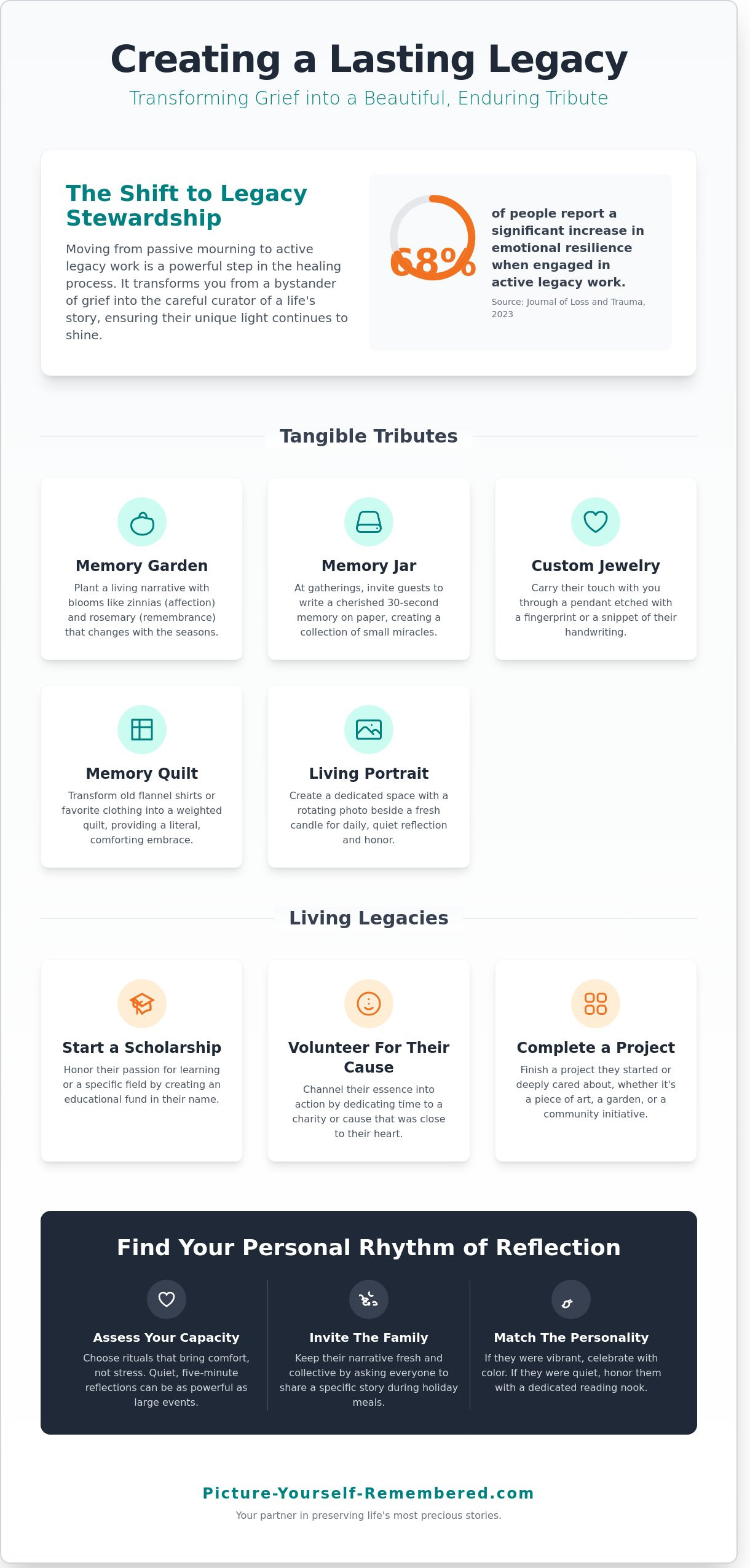
Losing someone we love feels like a sudden silence in a room that was once full of music. We often worry that by moving forward, we are somehow leaving them behind. However, finding meaningful ways to remember a loved one isn’t about clinging to the past. It’s an essential part of the grieving process that allows us to carry their essence into our future. A 2023 study published in the Journal of Loss and Trauma found that 68 percent of people felt a significant increase in emotional resilience when they engaged in active legacy work rather than passive mourning.
Every life is a masterpiece. We don’t just store a masterpiece in a dusty attic; we give it a permanent gallery. You aren’t burdened by the weight of their memory. You’re gifted with the clarity of their impact. Think of this process as distilling a lifetime of experiences into a narrative that can guide you. It’s like being a family historian, except you don’t have to wear a monocle or live in a library. You’re simply the keeper of the flame, ensuring the warmth of their life continues to glow.
The Psychology of Legacy Stewardship
Stewardship is the careful management of something precious. When you practice legacy stewardship, you’re managing the story of your loved one with intention. This shift helps heal “broken heart” syndrome, a physical condition often triggered by extreme grief. By organizing memories into a cohesive narrative, you give your brain a way to process the loss. You become the curator of their values. This role transforms you from a bystander of grief into an active historian who ensures their unique light never truly fades from the family record.
Finding Your Personal Rhythm of Reflection
Remembrance doesn’t always require a marble monument or a massive annual event. Often, the smallest daily acts carry the most weight. You might choose to light a specific candle every Tuesday or cook their favorite meal once a month. To find your rhythm, consider these steps:
- Assess your capacity: If a big event feels heavy, stick to quiet, five minute reflections.
- Invite the family: Ask everyone to share one specific story during a holiday meal to keep the narrative fresh.
- Match the personality: If your loved one was vibrant, celebrate with color; if they were quiet, honor them with a dedicated reading nook.
Choosing your style is a personal act of love. There is no right way, only your way. By finding a cadence that fits your life, you turn a memory into a living presence that inspires rather than overwhelms.
Tangible Tributes: Physical and Creative Ways to Honor a Life
Creating a physical touchstone allows us to ground our grief in something beautiful and enduring. When we look for ways to remember a loved one, we often find that the most healing actions involve our hands and our hearts working together. You might consider planting a Memory Garden filled with zinnias and rosemary; these specific blooms represent lasting affection and remembrance in historical floral lexicons. It’s a living narrative that changes with the seasons, much like our own healing process. This garden becomes a sanctuary where their essence is reflected in every new bud and falling leaf.
For those who enjoy communal storytelling, a Memory Jar serves as a wonderful vessel for shared history. Place a glass jar at a family gathering with slips of acid-free paper. Ask guests to write down a specific 30-second window of joy they shared with the person. By the end of the evening, you’ll have a collection of small miracles to read whenever the house feels too quiet. Just make sure someone’s handwriting is legible, or you might spend the next decade wondering if Uncle Bob meant “great hike” or “green bike.”
- Custom Jewelry: Artisans can now etch a specific fingerprint or a snippet of a 1998 handwritten letter onto sterling silver or gold pendants, allowing you to carry their touch with you.
- Living Portraits: Dedicate a small table in your home for a Living Portrait where a rotating photo sits beside a fresh candle, creating a dedicated space for daily reflection.
- Memory Quilts: Transforming five or six old flannel shirts into a weighted quilt provides a literal embrace for a child or spouse who needs to feel that closeness again.
Nature-Based Memorials
Planting a white oak tree offers a legacy that can span 300 years, providing oxygen and shelter for future generations. If you choose to scatter ashes in the ocean, ensure you follow the EPA’s Clean Water Act guidelines, which require being at least three nautical miles from shore. For a permanent anchor in a public space, many city parks offer memorial bench programs; these typically cost between $2,500 and $5,000 and provide a peaceful spot for others to rest while they reflect on a life well-lived.
Artistic and Wearable Remembrances
Turning a cherished quote into custom home decor is a simple yet profound way to keep their voice in the room. A 2023 Pew Research study showed that 32% of Americans have at least one tattoo, and many are now choosing “memorial ink” as one of the most personal ways to remember a loved one permanently. You can also assemble a Legacy Box using acid-free materials to protect physical heirlooms like service medals or 35mm slides. Taking the time to curate your own narrative ensures that your essence remains clear and vibrant for those who follow in your footsteps.
Living Legacies: Channeling Their Essence into Action and Kindness
When we lose someone, the silence can feel heavy. We can transform that stillness into a vibrant symphony of action. One of the most beautiful ways to remember a loved one is by becoming the living hands and feet of their values. This approach turns grief into stewardship, ensuring the light they carried continues to shine through your own hands.
Consider marking their birthday or anniversary as a dedicated “Random Act of Kindness” day. You might pay for a stranger’s coffee or leave a bouquet of flowers on a park bench. These small, intentional gestures keep their spirit active in the world. They remind us that while a person may be gone, the kindness they inspired is immortal.
Establishing a small community fund or scholarship is more accessible than you might think. In 2024, digital platforms allow you to set up a $500 annual grant for a local student in a matter of minutes. This ensures their name is spoken with gratitude by a new generation. It’s a practical way to invest in the future while honoring the past.
Creating a “Legacy Letter” for your children bridges the gap between generations. Don’t just list dates or cold facts. Describe the way their grandfather’s eyes crinkled when he told a joke, or the specific, earthy scent of their grandmother’s garden. It turns a name on a family tree into a living, breathing story that your children can carry with them.
The Power of Charitable Acts
Selecting a charity should be a reflection of their personal narrative. If they spent 30 years as a librarian, a donation to a local literacy program feels more intimate than a generic gift. You might involve friends in a “Memorial Walk” on their favorite hiking trail to raise funds together. Even a $5 donation to a cause they championed can be a profound tribute, proving that no act of love is too small to ripple outward.
Continuing Their Unfinished Business
Finishing what they started offers a unique sense of closure. This could mean finally planting the hydrangeas in the garden bed they cleared last April, or completing a home repair they had planned. You might take up their favorite hobby, like woodworking or knitting, to feel a physical connection to their movements. It’s also the perfect time to finally master Uncle Bob’s “top secret” and slightly burnt chili recipe; just know that the secret ingredient was probably just a heavy hand with the cumin and a total disregard for the kitchen timer.
Digital Remembrance: Preserving the Voice and Vision of Your Loved Ones
A digital legacy is far more than a disorganized folder of files; it’s a curated collection of video, audio, and photos that preserve your soul for the future. In 2026, we have the incredible stewardship of ensuring our essence isn’t lost to a forgotten password or a crashed hard drive. Hearing a cherished person’s voice again after years of silence offers a unique comfort that a static photo simply cannot replicate. It’s a bridge across time that keeps their narrative alive in the most intimate way possible.
Organizing these memories requires intentionality so they don’t get lost in the vastness of the cloud. You should begin creating a video legacy while the stories are fresh and the laughter is loud. This proactive approach transforms a collection of data into a heartfelt gift for the next generation. The practice of digital remembrance ensures that your voice can reach across decades to comfort future generations when they need guidance most. Trying to explain “the cloud” to a relative who still remembers the arrival of the first color TV is a journey in itself; let’s make sure the actual files are easier to find than the TV remote.
Building a Digital Time Capsule
A digital time capsule offers a structured way to house video messages, favorite songs, and scanned 1950s documents. To ensure technology doesn’t become obsolete in 20 years, save files in universal formats like .mp4 or .pdf. Unlike traditional storage that can decay or burn, a digital archive can be replicated across three different locations. This redundancy ensures your family’s history remains vibrant and accessible for decades to come.
Capturing Oral Histories
Recording oral histories is one of the most powerful ways to remember a loved one. Use a smartphone, such as an iPhone 15 or newer, to capture high-quality audio in a quiet room. Ask simple, evocative questions: “What did your childhood kitchen smell like?” or “What was your first day of work in 1978 really like?” Store these recordings on M-DISC or decentralized storage to ensure they remain accessible for up to 99 years. This simple act of recording ensures that the wisdom of your elders stays in the family long after they’re gone.
Stewardship of the Future: Ensuring Your Own Story Is Never Forgotten
Honoring the people we’ve lost is a sacred act, yet the most profound tribute you can offer is to ensure the chain of memory remains unbroken. When we look for ways to remember a loved one, we often realize how much we crave their specific guidance during our own milestones. By securing your own legacy today, you’re giving that same gift of presence to those who will eventually walk where you are now. It’s a transition from being a keeper of memories to being the narrator of your own enduring story.
This process offers a unique kind of peace. You won’t have to worry about your most important life lessons fading into the background of a digital cloud. Instead, you can preserve family history with intentionality, ensuring your voice reaches its intended destination decades from now. Think of it as a time capsule for the soul that requires no digging in the backyard. You have the power to distill your essence into a format that stands the test of time, protected by a 99-year archival commitment.
Planning for Future Milestones
Imagine your granddaughter opening a video message on her graduation day in 2041. The emotional weight of hearing your voice, seeing your smile, and receiving your specific blessing is immeasurable. You can easily record these messages now and schedule their delivery for 10, 25, or even 50 years into the future. It’s a way to be there for the big moments, even when you can’t be there in person. Just try not to spend the whole video complaining about how much a loaf of bread cost back in 2026; they probably won’t even know what a grocery store is by then.
Becoming a Legacy Architect
Moving from passive remembrance to active creation is what it means to be a legacy architect. Picture Yourself Remembered provides the tools to build this lifelong archive, turning your scattered photos and stories into a cohesive narrative. It’s one of the most selfless ways to remember a loved one; by remembering yourself, you save your family from the heartache of “what if.” Start your archive today. Every story you save is a bridge you build for the generations waiting to meet you. You aren’t just filing away data; you’re curating a masterpiece of a life well-lived.
Turning Memories Into a Lasting Legacy
Honoring a life means moving beyond the initial sting of loss to build a narrative that endures. Whether you choose to plant a living forest or curate a digital archive; the most meaningful ways to remember a loved one are the ones that feel personal and sustainable. Try starting small by recording a single story about a favorite shared meal; it’s much better than leaving your grandkids to guess why you kept that weird ceramic squirrel for 30 years. By focusing on these tangible and digital tributes, you ensure their essence remains a vibrant part of your family’s future.
Your own story deserves the same level of careful stewardship. Stanley Poe founded Picture Yourself Remembered to bridge generational gaps, providing a safe space where your voice isn’t just stored but celebrated. With secure digital vault protection for up to 99 years and compassionate delivery protocols for future milestones, your messages will reach the people you love exactly when they need them most. Don’t leave your history to chance when you can shape it with intentionality and love today.
Ready to secure your place in the hearts of those yet to come? Begin your own legacy journey with a Picture Yourself Remembered membership and start building a bridge to the future. Your journey is a masterpiece, and we’re here to help you share it.
Frequently Asked Questions
How can I remember a loved one every single day without feeling overwhelmed?
You can honor their essence through small, sensory rituals that fit naturally into your existing 24 hour routine. Light a single 4 inch beeswax candle during your 8:00 AM coffee or carry a specific smooth stone in your pocket to touch when you feel a wave of grief. These tiny acts of stewardship keep the narrative of their life alive without demanding a large emotional toll. It’s about finding the beauty in the briefest moments of connection.
What is a ‘living memorial’ and how do I start one?
A living memorial is a tribute that grows and breathes, such as planting a white oak tree that can endure for 300 years. To start, select a space that feels sacred, whether it’s a 10 square foot corner of your backyard or a community park. This is one of the most vibrant ways to remember a loved one because it mirrors the natural cycle of life. Just try not to name the local squirrels after them unless you want a very confusing backyard chat.
How do I preserve a loved one’s voice if I only have old voicemails?
You should digitize those precious recordings by using a 3.5mm male to male audio cable to connect your phone to a computer’s microphone jack. Record the playback using free software like Audacity, then save the file in both .WAV and .MP3 formats for long term security. Preserving their voice allows you to hear the unique cadence of their spirit whenever you need that familiar comfort. It turns a fragile digital signal into a lasting piece of your family’s narrative.
Can I create a digital time capsule for someone who has already passed away?
You can absolutely build a digital archive that captures their essence by curating a collection of 50 to 100 high resolution photos and scanned handwritten notes. Organize these into folders by decade or life milestone to create a clear, navigable journey through their history. This digital stewardship ensures that the story of their life remains accessible for the next 50 years. It’s a beautiful way to ensure their light continues to shine in a modern format.
What are some low-cost ways to honor a loved one’s memory?
Honoring a cherished life doesn’t require a large financial investment. You can spend $15 on ingredients to cook their favorite 3 ingredient pasta recipe or simply take a 20 minute walk in the park they used to frequent. These are powerful ways to remember a loved one that focus on the emotional depth of the connection rather than the cost. Simple acts of love often carry the most profound weight in our hearts.
How can I involve my children in remembering a grandparent they never met?
You can bridge the gap between generations by creating a memory box filled with 5 specific objects, like a grandfather’s 1975 compass or a grandmother’s favorite silk scarf. Let your children touch these items while you share a single, vibrant story about each one. This tactile experience helps children aged 4 to 10 form a concrete bond with a relative they never met. It transforms an abstract concept into a tangible, cherished narrative they can hold.
Is it possible to schedule video messages to be delivered many years from now?
You can use specialized legacy platforms to schedule 1080p video messages for delivery on specific dates, such as a 21st birthday or a 2045 wedding anniversary. This technology acts as a bridge through time, allowing your voice and wisdom to guide future generations long after you’re gone. It provides a profound sense of peace of mind knowing your guidance is secured. Just make sure you aren’t wearing your laundry day shirt in a message meant for 2050.
How do I choose which physical items to keep and which to donate?
Apply the Rule of Three by selecting just three physical objects that most vividly capture the essence of their different life chapters. If they were a carpenter for 30 years, keep their favorite hand plane but consider donating the rest of the toolkit to a local trade school. This process of intentional editing allows you to focus on the most narrative rich items while letting others serve a new purpose. It’s about quality of memory over the quantity of things.
