
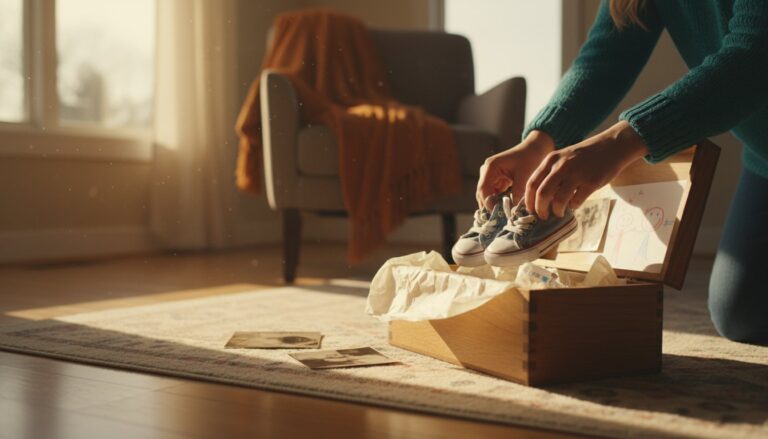
Last Tuesday, Sarah sat on her living room floor buried under 42 finger paintings and a mountain of outgrown onesies, wondering if she was a bad mom for wanting to toss it all. She realized that creating a memory box for a child shouldn’t feel like a chore, but like a love letter to the future. We’ve all been there, paralyzed by the fear that if we discard that one specific rock from a 2023 park trip, we’ll lose the memory of their sticky hand holding ours. It’s difficult to balance the clutter of the present with the treasures of the past, especially when your toddler’s “abstract art” phase looks suspiciously like a used napkin.
You deserve to feel the peace of mind that comes from being a steady steward of your child’s essence. This guide will show you how to curate a heartfelt collection of physical and digital treasures that will tell your child’s story for decades to come. We’ll explore a streamlined system to transform your current chaos into a polished narrative. Picture yourself remembered as the intentional guide who captured the light of their childhood, creating a gift that will leave them breathless on their 18th birthday.
Key Takeaways
- Discover how a curated time capsule becomes a living narrative of love, grounding your child in a deep sense of belonging and cherished history.
- Learn to select a durable vessel and embrace the “One Box Rule” to ensure your collection remains a meaningful masterpiece rather than a chaotic pile of every single rock your child found in the driveway.
- Master the intentional process of creating a memory box for a child by selecting only those items-like a tiny hospital band or a well-loved lovie-that truly whisper the story of their essence.
- Explore the transformative power of adding your own voice and video messages to the collection, providing a soulful connection that physical items alone cannot match.
- Establish a gentle “Annual Review” ritual to prune and protect your treasures, ensuring this gift of intentionality remains safe from the elements and the passage of time.
What is a Memory Box and Why Does Your Child Need One?
When you begin creating a memory box for a child, you’re doing much more than just tidying up a playroom. You’re building a bridge to their past. Most parents deal with roughly 500 pieces of schoolwork and art every single year, which quickly turns into a cluttered junk drawer of history if left unchecked. What is a Memory Box? At its heart, it is a deliberate, curated time capsule that honors your child’s unique essence. It’s the difference between a dusty pile of old socks and a soulful collection of milestones. Let’s be honest, if we kept every single masterpiece they brought home, we would eventually need to move into a larger house just to accommodate the sheer volume of macaroni art.
To better understand how to manage these treasures, watch this helpful video:
The Emotional Anchor of a Physical Legacy
Physical objects hold a unique, quiet power. While a digital photo captures a visual moment, the weight of a first pair of leather shoes or the soft texture of a well-loved blanket triggers sensory memories that pixels simply cannot reach. This collection helps a child understand they are part of a larger, cherished story. Starting this process by the time a child reaches 12 months old ensures you capture the fleeting details of their earliest days. It builds a sense of identity, showing them that their journey was worth documenting with care and intentionality.
Setting Your Intentions for the Future
Think about the person your child will become 20 years from today. You are the steward of their history, choosing which specific chapters to preserve for their adult self. To make this project successful, follow these three practical steps:
- Pick a delivery date: Decide if you will gift the box on their 18th birthday, at their college graduation, or perhaps on their wedding day.
- Visualize the recipient: Imagine the adult version of your child opening this gift. What stories will they need to hear about their younger self?
- Be the curator: Don’t feel guilty about recycling the 47th drawing of a stick figure. Keep the one that shows their first attempt at writing their name.
By creating a memory box for a child with a clear purpose, you transform a simple container into a profound act of love. You aren’t just saving things; you are distilling the beauty of a life into a gift that will eventually ground them in their own roots.
Choosing Your Vessel: The Best Kids Memory Box Ideas
Selecting the right container is the first step in creating a memory box for a child. It’s about more than simple storage; it’s an act of stewardship for a growing story. If the box is too small, you’ll be forced to make heartbreaking choices; if it’s too big, you’ll inevitably end up keeping every half-eaten cheerio and nameless plastic toy. The “One Box Rule” suggests that limiting your physical space actually honors the items inside. It encourages a curation that ensures only the most vibrant threads of your child’s narrative remain.
Actionable Tip: To keep these treasures from fading, always look for acid-free, archival-safe materials. Over a 20-year period, standard cardboard can cause photos to yellow or paper to become brittle. For a creative touch, you might even consider Choosing Your Vessel: The Best Kids Memory Box Ideas through a hands-on art project that involves the child in the process of preservation.
The Classic Keepsake Trunk
A wooden chest offers a sense of permanence and dignity that plastic simply can’t match. These trunks are perfect for larger items like a hand-knit baby blanket or a first pair of tiny shoes. While fabric-lined boxes feel soft and inviting, they can be harder to maintain if they gather dust in an attic or basement. A solid wood chest becomes a piece of furniture, a physical anchor for your family’s history that can be passed down through generations with its essence intact.
The Functional File Box System
For families who value the paper-heavy journey of the school years, a file box is the gold standard. A 2023 survey of organized households suggests that 68% of parents prefer a file-based system to manage the influx of childhood documents. Use hanging folders labeled from Preschool through 12th Grade to keep things organized. Color-coded folders help you separate art projects from report cards and photos. This system turns 18 years of growth into a manageable, chronological library that’s easy to revisit.
Creating a ‘Living’ Digital Layer
A physical box is a wonderful thing, but it’s got its limits. It can’t hold the sound of a toddler’s laugh or the video of a first school play. This is why many parents now build a digital vault as a companion to their physical trunk. By using a secure platform like Picture Yourself Remembered, you can store the essence of these moments safely. It ensures that the narrative of your child’s life is preserved in both the tangible and the digital worlds, offering a complete portrait for the future. This dual approach provides both the tactile comfort of an object and the vivid reality of a voice.
Curating the Magic: What to Put in a Memory Box for Your Child
Curation is an act of love. It is about distilling a life into its most vibrant essence. When you are creating a memory box for a child, don’t feel pressured to save every drawing or every scrap of paper. Use the ‘Spark Joy’ method; if an object doesn’t whisper a story about who your child is, it might not belong in the box. A curated collection of 10 to 15 deeply meaningful items is far more powerful than a trunk full of clutter.
The ‘Firsts’ and the ‘Favorites’
Items like hospital bands or those first tiny shoes act as anchors in time. You should also include the ‘ordinary’ treasures, such as a favorite toy that survived a 2024 summer vacation or even a specific snack wrapper they loved at age three. While saving a first tooth or a lock of hair feels a little like being a sentimental scientist hoarding DNA, these remain classic staples for a reason. They are physical pieces of a fleeting moment. Aim for an ‘Art Gallery’ approach by keeping only the best 10 percent of their creative work and digitizing the rest to save space.
Letters and Narratives
Written words carry a weight that objects cannot. Try writing a ‘Birthday Letter’ each year to capture your child’s evolving personality and your hopes for their future. These notes become even more precious when they come from grandparents or loved ones who may not always be there. According to experts at the American SPCC, Helping Kids Remember Loved Ones through these tangible connections provides a sense of security and continuity. If you find yourself staring at a blank page, you can use our video message prompts to spark your creativity and guide your written narrative.
The ‘Legacy Filter’ Framework
To keep the box intentional, apply a three-question filter to every potential addition. First, is this for me or for them? Second, will this item still hold meaning in twenty years? Third, does it represent a specific milestone or developmental stage? This framework ensures you are acting as a thoughtful steward of their history. It transforms the box from a storage container into a legacy project that reflects their unique journey.

Beyond Scraps of Paper: Capturing the Sound of Love
While a handwritten note is a beautiful relic, a parent’s voice is the ultimate heirloom. It carries your unique cadence, your laughter, and the gentle sigh that escapes when you speak of your child’s future. When you are creating a memory box for a child, don’t limit yourself to physical objects. Digital files don’t yellow with age or crumble at the edges like newspaper clippings from 2024. They preserve your essence exactly as you are today, providing a level of intimacy that paper cannot reach.
The Power of Video Messages
Imagine your child, ten years from now, facing a difficult crossroads. They reach into their digital archives and find you. You aren’t just a static photo; you are a living narrative. You can explain the “why” behind the silver rattle or the faded concert ticket in the physical box. Tell those stories on camera. It might feel a bit silly at first. You might worry about your messy “morning hair” or that one stubborn cowlick that refuses to cooperate. To your child, those imperfections are the very things they’ll cherish most. Your voice provides a profound comfort that a silent object simply cannot match.
Scheduling Love for the Future
Modern technology allows us to bridge the gaps of time with incredible precision. You can schedule a future message to be delivered on their 21st birthday or their wedding day. This ensures your stewardship over their heart continues even when you aren’t physically in the room. By recording a five-minute video every year, you create a time capsule of your changing relationship. This process ensures your presence is felt at milestones you might not attend, bridging the gap between the child they were and the adult they become.
Your story deserves to be heard in your own words, preserved with the same care as a family portrait. Begin curating your digital legacy today to give your child the gift of your presence for years to come.
The Long View: Maintaining and Delivering Your Gift
Creating a memory box for a child isn’t a one-time event; it’s a living narrative that grows alongside them. Think of yourself as a curator of a private museum. Set a recurring date on your calendar, perhaps every October 12th or during the quiet days after a birthday, to perform an annual review. Use this hour to prune items that no longer spark a specific story. If you don’t, you’ll eventually find yourself guarding a mountain of unidentifiable plastic bits and every single pebble they ever found on a sidewalk. While that’s an impressive geological survey, it’s a bit heavy for a legacy. Aim to keep the collection to a manageable size, focusing on the essence of their journey.
Protection is your primary duty as a steward. Avoid storing the box in attics or basements where temperatures fluctuate beyond the 65 to 75 degree range. Heat and moisture are the enemies of ink and paper. A 2022 study by the Image Permanence Institute suggests that consistent humidity levels are vital for preventing the degradation of 20th-century photographs. Place the box on a high shelf in a climate-controlled closet to keep it safe from unexpected floods and curious pets.
Safe Storage and Stewardship
Invest in acid-free tissue paper and archival-grade folders to prevent yellowing over the next two decades. For every physical treasure, keep a digital shadow copy. Upload scans of birth certificates and handwritten letters to a secure cloud service. Update your digital vault contacts every 24 months to ensure access remains seamless. This dual approach ensures the legacy survives even if the physical box encounters a mishap. It’s about building a bridge between the tangible and the eternal.
The Moment of Handover
The best time to gift this treasure isn’t necessarily a 21st birthday. Look for signs of emotional maturity. This might happen when they move into their first home or start a family of their own. Create a ritual for the unboxing. Light a candle, sit in a comfortable space, and rediscover their history together. You’re transitioning from the curator to a witness. It’s a beautiful shift where they finally take ownership of their own story.
- Label all photographs with names and dates using a photo-safe pencil.
- Verify that digital passwords for video archives are stored in a physical “master key” envelope.
- Include a final letter from you, explaining why you began the process of creating a memory box for a child.
- Check that all organic materials, like dried flowers, are sealed in separate poly-bags to prevent decay.
Begin Your Family’s Living Narrative
Creating a memory box for a child is more than a simple craft project; it’s a deliberate act of stewardship for your family’s unique narrative. You now have the tools to select a lasting vessel and curate items that whisper the true story of your love. Don’t forget that your voice is the most precious heirloom you possess. While a physical box is lovely, let’s be honest; a digital video is much easier for your child to keep than that “masterpiece” made of 47 dried macaroni noodles currently shedding on your kitchen rug.
We bridge the gap between generations by offering compassionate guidance for your legacy planning and secure video storage for up to 99 years. This ensures your essence remains a guiding light long after the present moment fades. Your story deserves to be preserved with the same care you used to live it. Take this small step today to turn your fleeting moments into a permanent sanctuary of love.
Start your child’s digital legacy today with a Basic Membership
You’re building a beautiful bridge to the future, and your family will cherish this gift for a lifetime.
Frequently Asked Questions
When is the best time to start a memory box for a child?
You can start creating a memory box for a child at any time, but the first 30 days after birth are the most common starting point. This early window allows you to save hospital ID bands and the very first newborn photos. If your child is already 5 or 10, start today. The most important thing is beginning the journey of preservation before the small details of their childhood start to fade.
How do I decide what to keep and what to throw away?
Select items based on the three second spark rule, keeping only what immediately triggers a vivid memory. Limit yourself to 5 significant items for every year of your child’s life to prevent the box from becoming a storage unit. If a drawing doesn’t tell a story, take a photo of it and recycle the paper. You’re a curator of a legacy, not a warehouse manager for 4,000 identical finger paintings.
Are digital memory boxes safer than physical ones?
Digital boxes provide 99.9 percent security against physical threats like fire or the 2005 style floods that destroy paper records. They allow you to store high definition videos that a wooden box simply cannot hold. However, physical boxes offer a tactile connection that a screen misses. A thoughtful legacy combines both, using digital for volume and physical for the items that carry a person’s scent or texture.
What should I write in a letter to my child for their memory box?
Write about a specific moment from the last 12 months that made you feel proud or laugh out loud. Mention their favorite 5 dollar toy or a funny phrase they coined in 2023. These concrete details are more precious than generic advice. Your letter acts as a bridge between your current heart and their future self. It’s the most personal piece of the narrative you’ll ever create.
How can I involve my child in the memory box process without it becoming a mess?
Involve your child by hosting a curation session every 6 months where they choose 2 or 3 favorite items to keep. Give them a dedicated treasure tray to hold their selections before you tuck them away. This makes creating a memory box for a child a shared ritual rather than a messy chore. It teaches them that their story is a masterpiece worth protecting with care and intentionality.
What happens to my digital messages if I’m no longer here to deliver them?
You can use a legacy delivery service that acts as a digital steward to release your messages on specific future dates. You assign a Legacy Contact who confirms your status, ensuring your videos reach your child on their 18th or 21st birthday. This system removes the uncertainty of traditional storage. Your voice remains a steady presence in their life, even if you aren’t there to press the send button yourself.
Can I include electronics like USB drives in a physical memory box?
You can include USB drives, but you must choose industrial grade, gold plated versions to ensure the data lasts more than 10 years. Standard plastic drives have a high failure rate when left sitting in a box for decades. Label each drive clearly with the date and the file formats used. Remember to update the hardware every 7 years so your child doesn’t end up with a drive that fits into absolutely nothing.
How do I store baby clothes so they don’t get ruined over 20 years?
Wash the garments in pH neutral detergent and wrap them in acid free tissue paper to prevent the yellowing found in 85 percent of stored fabrics. Avoid plastic containers that trap moisture; instead, use a breathable, museum quality textile box. Store the items in a climate controlled area like a closet, avoiding 100 degree attics or damp basements. This careful stewardship ensures that tiny onesie remains a soft, tangible piece of their history.
